Rooflights vs. Skylights: Understanding the Primary Differences for Better Home Design
Within the realm of home design, the selection between rooflights and skylights can notably impact both aesthetics and functionality. Rooflights deliver a sleek integration into the roofline, whereas skylights present protruding features that boost ventilation. Understanding these distinctions is critical for homeowners striving to maximize natural light and energy efficiency. However, the decision entails more than just appearance and begin here light; other factors require consideration. What implications do these choices have on energy performance and financial considerations?
Understanding Rooflights: Definition and Overview
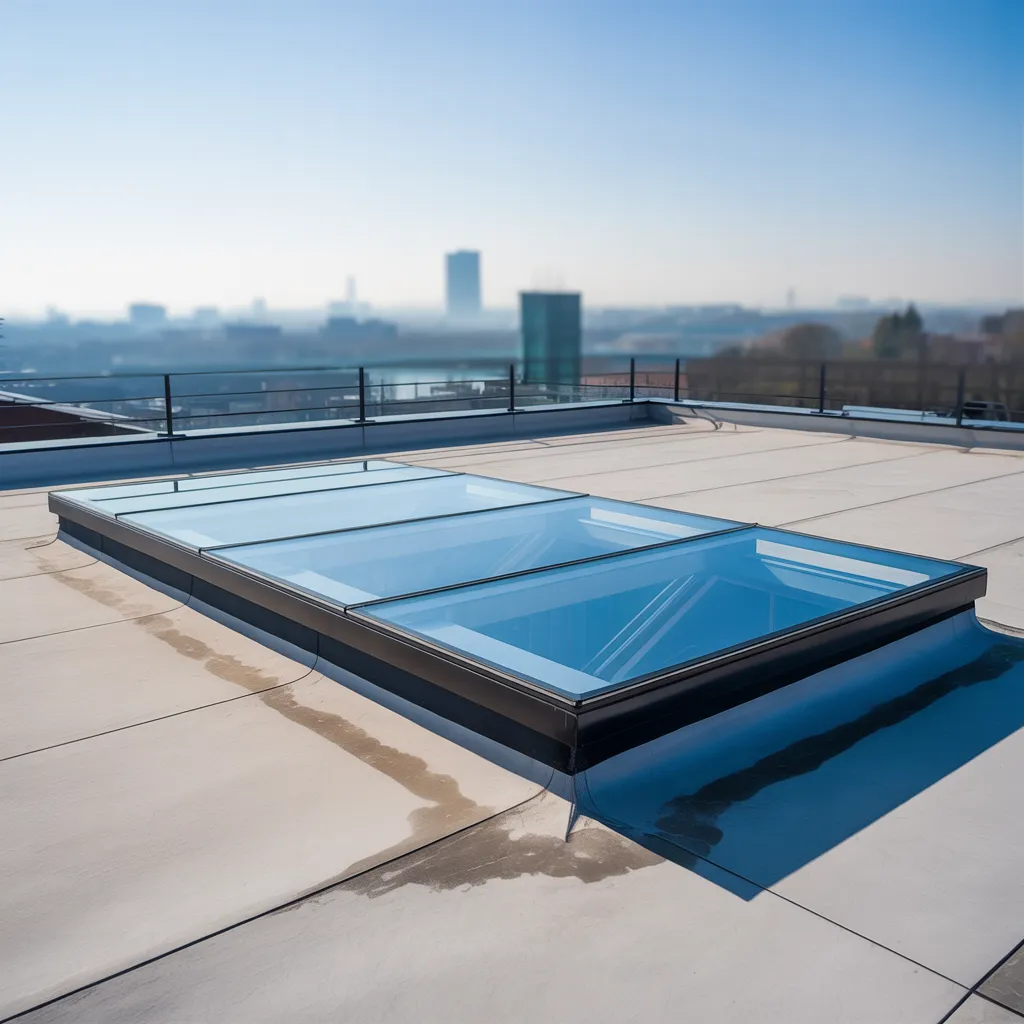
Rooflights are structural components engineered to introduce natural light into a building from above. They are commonly installed in pitched or flat roofs and can differ in size, shape, and design. Rooflights offer multiple purposes, including boosting the aesthetic appeal of a space and enhancing energy efficiency by lowering reliance on artificial lighting.
These installations can be fixed or operable, allowing for ventilation along with light penetration. Made from materials for example glass or polycarbonate, rooflights can also be engineered to reduce heat loss and glare. Additionally, they can be incorporated into diverse architectural styles, from traditional to modern, enhancing the overall character of a building.
When evaluating rooflights, factors such as placement, size, and orientation are essential for maximizing their advantages. Eventually, rooflights not only brighten interiors but also generate a more welcoming and comfortable atmosphere within any building.

Skylights: A Comprehensive Definition and Overview
Skylights are roof openings designed to permit natural light into a space, elevating both functionality and aesthetics. They are available in multiple types, each delivering unique features and aspects for installation. Understanding these elements is crucial for making informed decisions about adding skylights into architectural plans.
Different Skylight Types
Any space is enhanced by natural light, making skylights a well-liked architectural feature. Skylights can be found in various types, each designed to serve distinct aesthetic and functional purposes. Fixed skylights are stationary and offer abundant daylight but do not open. Ventilated skylights, in contrast, can be opened to enhance airflow, making them ideal for kitchens and bathrooms. Tubular skylights are small and engineered to capture sunlight through a reflective tube, perfect for small or hard-to-reach areas. Lastly, solar-powered skylights integrate energy-efficient technology, permitting automated opening and closing. Each type presents unique advantages, making it important for homeowners to assess their specific needs when deciding on the right skylight for their space.
Perks of Skylights
The incorporation of skylights in architectural design presents many benefits that augment both the functional value and aesthetic quality of an environment. Skylights allow natural light to permeate interior environments, minimizing the need for artificial lighting during daylight hours and supporting energy efficiency. This stream of sunlight can enhance mood and health, creating a more appealing atmosphere. Furthermore, skylights can supply ventilation, helping to regulate indoor temperatures and better air quality. Architecturally, they add visual interest and can convert otherwise dark or cramped spaces into open, airy environments. By strategically positioning skylights, homeowners can emphasize architectural features and improve the overall design, making them a valuable addition to any residential or commercial building.
Installation Factors
When contemplating the installation of skylights, it is crucial to assess various factors that influence their effectiveness and integration into a building's design. The orientation and pitch of the roof play vital roles in determining how much natural light enters a space. Also, selecting the suitable type of skylight—fixed, vented, or tubular—can affect ventilation and energy efficiency. Proper flashing and sealing during installation are critical to prevent leaks and assure durability. It is also crucial to evaluate local building codes and regulations, which may set forth specific requirements for skylight installation. Furthermore, the aesthetic alignment with the overall architectural style of the home should not be overlooked, as this supports both functionality and visual appeal.
Essential Design Contrasts
In exploring the main design distinctions between rooflights and skylights, various factors deserve attention. Installation methods can vary considerably, affecting both practical aspects and aesthetics. Moreover, the functional aspects of each type play an vital role in determining their suitability for individual spaces.
Installation Approaches Detailed
The installation approaches for rooflights and skylights demonstrate notable design variations that affect both practical function and visual design. Rooflights are typically incorporated within the roof structure during construction, necessitating accurate alignment with rafters and a leak-proof seal to avoid leaks. Their installation typically entails cutting into the roof's existing framework, which may demand additional structural support. In contrast, skylights can be installed in existing roofs, enabling more flexible placement. They are usually installed within the roof's surface, demanding less alteration of the underlying structure. While both options demand meticulous planning and professional installation to secure energy efficiency and durability, the differences in their installation processes can influence the general design and use of natural light in a space.
Aesthetic Considerations
Although both rooflights and skylights serve the purpose of improving natural light in a space, their aesthetic considerations reveal distinct design differences. Rooflights usually feature a rather streamlined, minimalist design, often flush with the roofline, which allows for a seamless integration into modern architectural styles. They can be adapted in shape and size to suit the overall design of the building. In contrast, skylights tend to protrude from the roof, creating a more noticeable visual element. This can add appeal to traditional or eclectic styles but may disrupt the sleek lines of contemporary designs. In addition, the framing and materials used in both options can greatly influence their visual impact, further separating these two types of light-enhancing features.
Primary Functional Differences
Although both rooflights and skylights are created to enhance natural light, their functional differences set them apart in terms of application and efficiency. Rooflights are typically installed on flat roofs, delivering a seamless integration that enhances light penetration without undermining structural integrity. They typically feature a more solid frame, providing for better insulation and weather resistance. In contrast, skylights are usually mounted on sloped roofs, engineered to capture sunlight at different angles. This design makes them ideal for spaces demanding additional ventilation, as many skylights can be opened. Essentially, the choice between rooflights and skylights depends on specific architectural requirements, with rooflights focusing on light and energy efficiency, while skylights emphasize on ventilation and aesthetic versatility.
Installation Factors
When selecting roof windows or skylights, adequate installation is vital to secure optimal performance and longevity. The installation method for both options changes, necessitating specific expertise and precision. Rooflights generally require more complex structural modifications, as they are engineered to be flush with the roofline, needing precise alignment with rafters and waterproofing measures. In contrast, skylights can be less complex to install, often needing only an opening in the roof with proper flashing to prevent leaks.
In addition, the selection of materials, such as glass or acrylic, influences installation methods and durability. It is imperative to consult with professionals knowledgeable in rooflight and skylight installations to verify compliance with local building codes. Proper sealing and flashing are essential to prevent water infiltration and insulation complications. Ultimately, thorough installation practices add considerably to the overall performance and lifespan of either option in enhancing natural light within a home.
Power Savings and Insulation Solutions
Evaluating energy efficiency and insulation is vital when choosing between rooflights and skylights, as both can greatly influence a building's overall energy consumption. Rooflights usually deliver superior insulation owing to their design and materials, which often include double or triple glazing to minimize heat loss. This feature helps maintain comfortable interior conditions and reduces the need for heating and cooling systems.
On the other hand, skylights, despite providing natural light, may not necessarily prioritize insulation, particularly if they are single-glazed. This can contribute to energy inefficiencies, leading to higher utility bills. That said, advancements in skylight technology, including low-emissivity (Low-E) coatings and insulated frames, have improved their energy performance.
In the end, the selection between rooflights and skylights should consider the particular climate and energy efficiency goals of the home, as well as the insulation characteristics of the picked product. Appropriate installation also plays a critical role in attaining optimal energy performance.
Visual Appeal and Personalization
Aesthetics play a significant role in the choice between rooflights and skylights, as both options can enhance the visual appeal of a space. Rooflights typically offer a stylish, current look, integrating harmoniously with contemporary architecture. Their simple design permits an inconspicuous addition to the roofline, offering a clean aesthetic. On the other hand, skylights can generate a more traditional charm, especially when enhanced with decorative elements.
Another crucial aspect is customization. Rooflights can be tailored in shape and size to meet individual design specifications, delivering superior flexibility for distinctive architectural elements. Skylights often provide various styles, including fixed, tubular, and vented varieties, giving homeowners to select designs that correspond to their vision. Both options allow a combination of functionality and style, finally enhancing the complete ambiance of a home while permitting personal expression in design.
Cost Assessment and Budget Planning
Budget considerations are key when deciding between rooflights and skylights, as homeowners must consider both starting expenses and long-term value. Rooflights often have a higher front-end cost due to their custom engineering and installation requirements. This can include greater structural modifications to confirm proper support and lasting quality. On the other hand, skylights typically have lower mounting costs, making them a more affordable option at first.
However, long-term costs can differ considerably. Rooflights typically offer better energy efficiency, potentially causing lower heating and cooling costs over time. Skylights might need extra insulation or defensive measures to mitigate heat loss, which can increase servicing costs. Eventually, homeowners should analyze their budget not only for fitting but also for long-term energy savings and maintenance, making certain they select the option that best corresponds to their financial goals and home design aspirations.
Frequently Asked Questions
Is It Possible to Use Rooflights and Skylights Interchangeably?
Rooflights and skylights should not be used interchangeably, as they serve different purposes and designs. Rooflights generally provide daylight, while skylights often enhance air exchange. Recognizing these key differences is vital for proper architectural planning.
What Kind of Maintenance Do Rooflights and Skylights Need?
Roof lights and skylights need frequent cleaning to stop dirt collection, together with routine inspections for potential leaks or damage. Seals and flashing should be examined and maintained to deliver maximum performance and longevity of the installation.
Are Rooflights and Skylights Appropriate for Every Climate?
Rooflights and skylights can be suitable for various climates, but specific designs and materials are essential for optimal performance. Professional installation and attention to area climate factors will boost their performance and durability in different settings.
In What Ways Do Rooflights and Skylights Effect Indoor Temperature?
Rooflights and skylights can substantially affect indoor temperature. They can increase heat gain in warmer months and supply warmth throughout colder months, impacting overall energy efficiency and comfort levels within a home's indoor space.
What Materials Work Best for Rooflights and Skylights?
The most effective materials for rooflight and skylight installations commonly include tempered glass, acrylic, and polycarbonate. These materials offer excellent insulation properties, UV resistance, and durability, enhancing longevity and energy efficiency in different weather conditions.